
How GPUs without Power Connector can Support Modern Government Operations?
Governments around the world are rapidly modernizing their digital infrastructure to improve public services, strengthen cybersecurity, and streamline administrative operations. From municipal offices processing permits to national agencies managing large databases, dependable computer systems have become essential to daily government functions. While discussions about digital transformation often focus on cloud computing, artificial intelligence, or cybersecurity, hardware efficiency is equally important. One component that deserves greater attention is the GPU without a power connector.
This is because unlike high-performance graphics cards designed for gaming or advanced rendering, these GPUs receive all the power they need directly from the motherboard’s PCIe slot. Their lower power requirements, simplified installation, and reliable operation make them well suited for government offices that prioritize stability, cost efficiency, and scalability over maximum graphical performance.
Why Low-Power GPUs Fit Government Workloads?
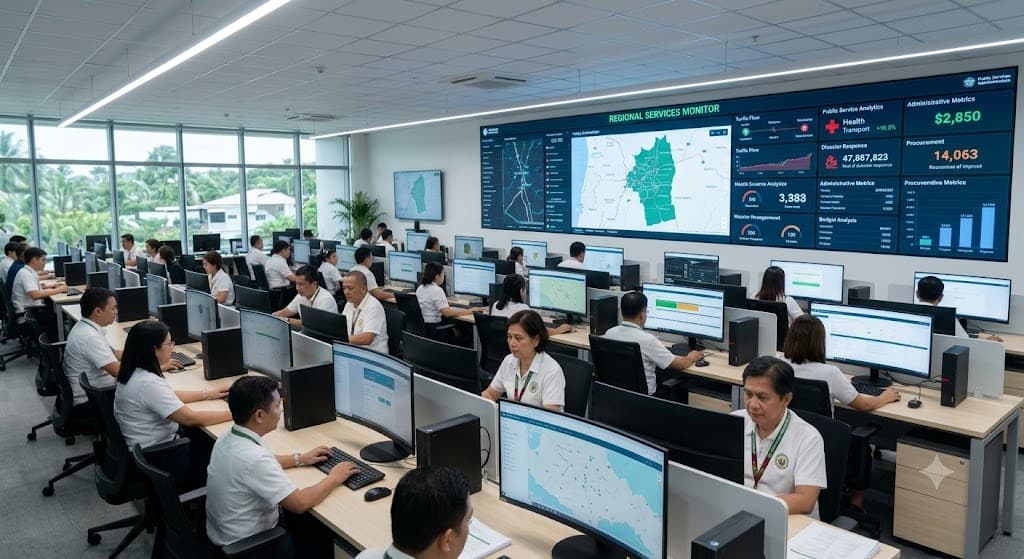
Most government employees do not require powerful graphics hardware to perform their daily responsibilities. Common workloads include document processing, video conferencing, spreadsheet analysis, database management, geographic information viewing, and web-based applications.
For these tasks, a GPU without an external power connector provides several practical advantages. Since these graphics cards typically consume less power, they generate less heat and place fewer demands on system power supplies. This allows agencies to build dependable office computers without investing in oversized power delivery systems. Typical government applications that benefit include:
- Administrative document management
- Financial reporting
- GIS map visualization
- Multi-monitor office setups
- Public service kiosks
- Digital record management
- Remote collaboration platforms
In many cases, these systems prioritize reliability and efficiency over raw graphical performance, making low-power GPUs an ideal choice.
Simplifying Large-Scale Hardware Deployment
Government organizations often manage hundreds or even thousands of computers across multiple departments. Standardization plays a significant role in reducing maintenance costs and improving long-term support.
Plug-in GPUs simplify installation because technicians do not need to connect additional PCIe power cables. This reduces installation time and minimizes the possibility of incorrect wiring during deployment. The simplified hardware configuration also provides several operational benefits:
- Faster workstation assembly
- Easier hardware replacement
- Reduced cable clutter
- Improved internal airflow
- Lower maintenance complexity
When IT departments deploy identical systems across numerous offices, even small improvements in installation efficiency can save considerable time and resources.
Supporting Energy Efficiency Across Public Agencies
Energy consumption is becoming an increasingly important consideration for governments seeking to reduce operating expenses while meeting sustainability goals.
Although a single low-power GPU may only save a modest amount of electricity compared to higher-end alternatives, the cumulative impact across hundreds or thousands of workstations can be significant. Besides, using such GPUs with lower power consumption offers several advantages like:
- Reduced electricity usage
- Lower cooling requirements
- Less heat generation
- Extended component lifespan
- Improved overall system efficiency
These benefits align with many government initiatives focused on energy conservation and environmentally responsible procurement.
Reliable Performance for Everyday Government Services
Government services rely heavily on dependable computer systems that remain operational throughout the workday. Unexpected downtime can delay citizen services, interrupt administrative workflows, and increase support costs.
Low-power GPUs are often designed with stability rather than extreme performance in mind. Because they generate less heat, they may operate more consistently under continuous workloads, especially in compact office computers.
Modern entry-level GPUs without external power connectors often support multiple high-resolution displays while maintaining efficient operation. This enables agencies to improve employee productivity without significantly increasing system complexity.
Balancing Cost, Security, and Long-Term Planning
Government technology investments are typically evaluated over many years rather than short upgrade cycles. Hardware must remain reliable, easy to maintain, and cost-effective throughout its operational life.
Choosing GPUs that do not require dedicated power connectors can contribute to lower total ownership costs in several ways. Simpler hardware configurations reduce installation expenses, lower energy consumption helps decrease operating costs, and standardized components simplify future maintenance.
These GPUs also integrate well into secure office environments where systems are carefully configured and unnecessary hardware complexity is avoided. Fewer power connections and lower thermal output may reduce potential points of failure while supporting stable long-term operation.
The government continue expanding digital services including online citizen portals, electronic records, and secure internal communication networks. As a result, having an efficient workstation hardware will remain an important part of successful infrastructure planning.
Selecting components that balance performance with reliability allows agencies to allocate more resources toward critical public services while maintaining dependable computing environments.
Building Smarter Government Infrastructure through Efficient Hardware
Digital transformation is not driven solely by advanced software or powerful servers. It also depends on thoughtful hardware choices that support everyday operations with reliability, efficiency, and long-term value.
GPUs without dedicated power connectors demonstrate how seemingly modest innovations can contribute to broader government goals. Their low power consumption, simplified installation, reduced maintenance requirements, and dependable performance make them well suited for administrative workstations, public service offices, and large-scale government deployments.
As public agencies continue investing in modern technology, energy-efficient hardware will play an increasingly important role in balancing operational performance with fiscal responsibility. By choosing components designed for stability and efficiency, governments can build computing systems that support employees, improve citizen services, and contribute to more sustainable digital infrastructure for years to come.

- July 12, 2026

Invest Today!