
From Stadium to Society: What EPL Live Stream Culture Tells Us About Modern National Identity
The English Premier League reaches more than 200 countries and territories, drawing billions of viewers each season. What began as a domestic competition in England has become a global ritual, streamed on phones in cafés in Lagos, projected onto bar walls in Bangkok, and debated in living rooms from Manila to New York. Football today is borderless. The way people access it says as much about society as the matches themselves.
Free streaming platforms have widened that reach even further. Services like Royal TV’s EPL Broadcast (EPL중계) show how digital access reshapes who gets to participate in this shared spectacle. For fans in countries where cable packages are expensive or unavailable, online streams create a direct line to the drama of Manchester United versus Liverpool or Arsenal against Manchester City. Access is no longer tied only to geography or wealth. It is tied to connectivity.
Football as Cultural Diplomacy
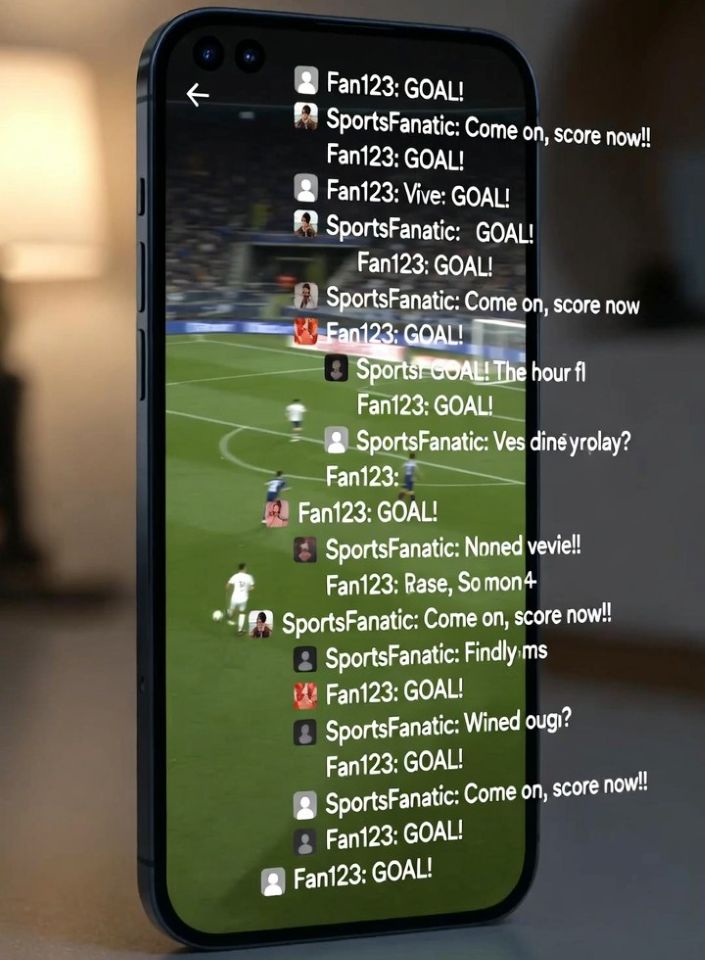
Sport has long been a tool of soft power. When clubs like Chelsea tour Asia or Tottenham Hotspur signs a star from South Korea such as Son Heung-min, they carry cultural meaning with them. Broadcasts amplify that effect. A young viewer in Jakarta who wakes up at 2 a.m. to watch a match is absorbing more than tactics. They are seeing English stadium chants, British pundit humor, and the rhythm of matchday tradition.
Political scientist Joseph Nye coined the term “soft power” to describe influence through culture and values. The Premier League has become one of Britain’s strongest soft power assets. Free EPL live stream access strengthens that influence. It places English football culture into everyday routines across continents. The result is a subtle form of diplomacy built on shared excitement rather than policy.
Access and Equity in the Digital Age
Access to global events often mirrors economic divides. Premium sports channels can be costly. In many regions, monthly subscriptions compete with basic household needs. Free streaming shifts that equation. When fans rely on EPL live stream platforms instead of traditional broadcasters, they challenge older media gatekeepers.
This shift reflects a broader debate about digital equity. The United Nations has argued that internet access is closely tied to opportunity. Watching football may seem trivial, yet participation in global culture shapes how people see themselves in the world. When a teenager in Nairobi can follow the same match as a fan in London, the psychological distance between center and periphery shrinks.
Still, digital gaps remain. Reliable broadband is uneven. Time zones shape who can watch live. Language commentary influences understanding. Access may be wider, but it is not equal. The culture of EPL live stream viewing highlights both progress and persistent inequality in global media systems.
Globalization and Hybrid Identities
Premier League fandom often blends local pride with global taste. A supporter in Accra may cheer for Real Madrid in European competition yet remain devoted to a hometown club. Identities are layered. Streaming accelerates that blending. Fans switch between leagues with a tap. They follow players across borders. Loyalty travels.
Consider how social media interacts with live broadcasts. During major fixtures, hashtags trend worldwide. Memes circulate in seconds. A controversial referee call sparks debate in multiple languages at once. The stadium may sit in Manchester, but the conversation unfolds across the globe.
This creates a shared digital public square. Benedict Anderson described nations as “imagined communities.” Today, football fans form imagined communities that cross nations. They are united by club colors rather than passports. Free streaming platforms help sustain these communities by lowering the barrier to entry.
Media, Power, and Narrative Control
Traditional television networks once controlled sports narratives. Studio panels shaped opinion. Highlight packages framed key moments. Online platforms diversify that ecosystem. Fans clip goals, analyze tactics on video channels, and challenge pundits in real time.
When viewers choose an EPL live stream over a state broadcaster, they exercise media agency. They select commentary styles and viewing formats that suit them. This freedom reflects wider shifts in how societies consume news and entertainment. Authority is less centralized. Audiences expect participation.
Football sits at the intersection of commerce and politics, even when fans see only the game. The relationship between sport and governance is not unique to football. Discussions about how basketball and politics intersect in modern society show that athletic arenas often mirror national debates about identity, leadership, and public voice. In the same way, Premier League broadcasting rights, international tours, and diplomatic partnerships reveal how deeply sport is woven into global power structures.
Community in a Fragmented World
Modern life often feels fragmented. Work is remote. Families are dispersed. Yet on matchday, millions synchronize their attention. A last-minute goal by Erling Haaland for Manchester City can trigger cheers in apartments thousands of miles from Etihad Stadium. For ninety minutes, distance fades.
Streaming deepens that sense of simultaneity. Friends coordinate watch parties across borders. Diaspora communities reconnect with familiar rhythms. For migrants, following the Premier League can link past and present homes. It becomes a thread of continuity.
Royal TV’s EPL Broadcast represents more than a viewing option. It symbolizes how technology allows global citizens to share cultural moments instantly. The shift from stadium seats to smartphone screens reflects a broader transformation in national identity. Belonging is now shaped by networks as much as by territory.
From Local Grounds to Global Screens
Football will always be rooted in local streets and historic grounds in Liverpool, North London, and beyond. Yet its meaning now extends far outside those neighborhoods. Free EPL live stream culture reveals a world where identity is fluid, media is participatory, and culture travels at digital speed.
When fans gather online to watch the Premier League, they engage in quiet cultural exchange. They absorb accents, values, and rivalries. They project their own interpretations back into the global conversation. From stadium to society, the game mirrors our era, connected, contested, and constantly evolving.

- February 13, 2026

Invest Today!