
How Politics Influences the Future of a Watching Platform
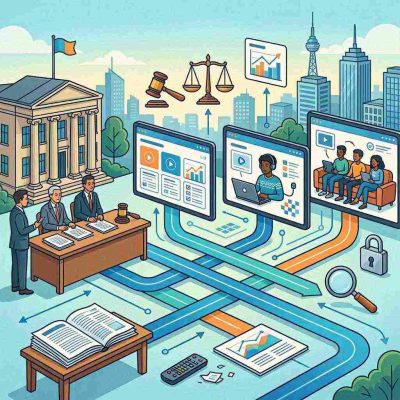 Watching platforms have changed the way people enjoy entertainment. Instead of waiting for scheduled television broadcasts, viewers can now stream movies, television series, documentaries, and live events whenever they choose. These platforms connect audiences with content from around the world while supporting filmmakers, production companies, and creative professionals. However, politics plays an important role in shaping how a watching platform operates.
Government policies influence internet access, copyright protection, digital privacy, content licensing, and consumer rights. Political decisions also affect how platforms expand into new countries, protect user data, and support local creative industries. While viewers often focus on the entertainment itself, many behind-the-scenes decisions are connected to laws and public policy.
Understanding this relationship helps users appreciate how politics contributes to creating safe, reliable, and accessible watching platforms for audiences worldwide.
Government Policies That Shape Watching Platforms
Every watching platform must follow the laws of the countries where it operates. These regulations help create a fair environment for businesses while protecting consumers and content creators.
Copyright laws are among the most important. They protect movies, television series, documentaries, and other creative works from unauthorized distribution. Strong copyright protection encourages filmmakers and studios to continue investing in high-quality productions because their work is legally protected.
Governments also establish consumer protection rules that require platforms to provide clear subscription terms, transparent pricing, and reliable customer service. These policies help users make informed decisions before purchasing a subscription.
Digital privacy regulations have become increasingly important. Watching platforms collect information such as viewing history, device preferences, and account settings to improve user experience. Privacy laws require companies to handle this information responsibly and protect it from unauthorized access.
Internet infrastructure also plays a major role. Public investment in broadband networks allows more households to access high-quality streaming services. Faster internet connections improve video quality while reducing buffering and interruptions.
Political support for digital innovation encourages technology companies to develop better streaming systems, accessibility features, and multilingual support. This benefits viewers from different backgrounds and regions.
Governments may also support local film industries through production incentives and cultural funding. As a result, watching platforms can expand their libraries with locally produced movies and television series that showcase national culture and creativity.
Politics and Global Access to Entertainment
Watching platforms operate across many countries, making international cooperation an important part of their success. Licensing agreements, trade policies, and cultural partnerships all influence which movies and television programs become available to viewers.
Governments often negotiate international agreements that encourage cultural exchange. These partnerships allow productions from one country to reach audiences in another, introducing viewers to different languages, traditions, and storytelling styles.
Translation also plays a significant role. Public support for language accessibility and cultural initiatives encourages the creation of subtitles and dubbed versions that help international audiences enjoy foreign content.
Political decisions affecting internet access can also determine how easily people use streaming services. Investments in digital infrastructure help reduce barriers for communities that previously had limited online access.
Competition policies are another important factor. Fair market regulations encourage innovation by allowing multiple watching platforms to compete while giving consumers more choices. Healthy competition often leads to improved technology, expanded content libraries, and better customer experiences.
Public broadcasting organizations may also work alongside private streaming services to preserve educational, historical, and cultural programming. This cooperation ensures that important documentaries and local productions remain available to future generations.
International collaboration further strengthens creative industries by encouraging co-productions between filmmakers from different countries. These partnerships produce diverse stories that appeal to global audiences while supporting economic growth within the entertainment sector.
Building a Strong Future for Watching Platforms
The future of watching platforms depends on balancing innovation, consumer protection, and creative freedom. Political leadership plays an important role in maintaining this balance through thoughtful legislation and public investment.
As technology continues to evolve, platforms are introducing features such as personalized recommendations, improved accessibility, higher video quality, and interactive viewing experiences. Supportive digital policies encourage companies to continue developing these innovations.
Accessibility remains a growing priority. Governments and industry organizations increasingly encourage features such as subtitles, audio descriptions, and multilingual interfaces that make entertainment available to more people, including individuals with disabilities and international audiences.
Watching platforms also contribute to economic development by creating jobs for actors, directors, writers, editors, software engineers, translators, marketers, and customer support professionals. Public policies that support education and creative industries help prepare skilled professionals for these growing career opportunities.
Environmental sustainability is becoming another area of focus. Many technology companies are investing in energy-efficient data centers and greener operations. Government initiatives promoting sustainable technology encourage these improvements while reducing environmental impact.
Educational institutions also benefit from reliable streaming technology. Documentaries, instructional videos, and educational programs can be delivered through watching platforms, making learning more flexible and accessible.
As audiences continue seeking entertainment from around the world, watching platforms will remain important tools for cultural exchange. They introduce viewers to different perspectives while helping creators reach international markets.
Political decisions will continue influencing how these platforms grow, protect user rights, preserve creative works, and encourage technological progress. Strong cooperation between governments, technology companies, content creators, and consumers supports a healthy digital entertainment ecosystem.
A successful watching platform is built on more than advanced technology. It depends on responsible business practices, fair regulations, secure digital infrastructure, and respect for creative talent. When these elements work together, audiences gain access to diverse, high-quality entertainment while creators receive the support they need to continue producing meaningful stories.
As the entertainment landscape continues changing, thoughtful public policy and responsible innovation will help ensure that watching platforms remain valuable resources for education, culture, and global connection.

- July 5, 2026

Invest Today!