
Regulatory Hot Seat: Who Should Control Apetamin Sales?
The U.S. Food and Drug Administration has stated that Apetamin is not approved for sale in the United States, yet interest in the product continues to grow across social media and online marketplaces.
For many consumers, the appeal is easy to understand. People recovering from illness, dealing with low appetite, or hoping to gain weight often share personal stories about positive results. A quick search for apetamin near me brings up sellers offering fast shipping and discreet packaging. The syrup is widely promoted as an appetite booster and weight gain aid. However, it contains cyproheptadine, a prescription antihistamine in many countries. That ingredient is central to the ongoing debate about how the product should be regulated.
Why Consumers Are Drawn to It
Weight gain can be as challenging as weight loss. Some people struggle with poor appetite due to stress, medical treatments, or naturally fast metabolisms. In online forums, users describe feeling frustrated when traditional options fail to deliver results. Apetamin is often praised for helping increase hunger and supporting gradual weight gain.
Cyproheptadine has long been used in medical settings to stimulate appetite under supervision. Its reputation as an effective appetite stimulant contributes to Apetamin’s popularity. Supporters argue that, when used responsibly, it can serve a practical purpose for adults who want to manage their weight in a controlled way.
Why It Is Not FDA Approved
Despite its popularity, Apetamin has not been approved by the FDA. In the United States, any product containing cyproheptadine must be prescribed by a licensed healthcare provider. Apetamin is marketed as a supplement, yet supplements are not allowed to include prescription drug ingredients. That classification conflict is one of the main reasons for regulatory action.
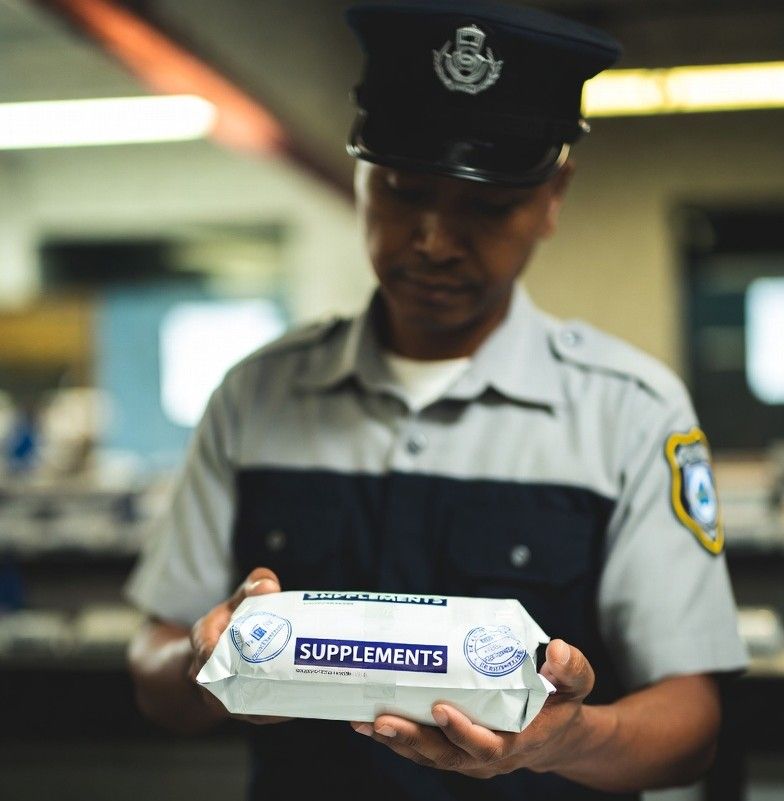
The FDA has also raised concerns about safety and labeling. Products sold online may not always meet consistent manufacturing standards. Authorities have seized shipments in the past because the syrup is considered an unapproved new drug under U.S. law. Similar warnings have been issued by health agencies in the United Kingdom and other countries.
The Online Marketplace Effect
Global e commerce makes access simple. Buyers can connect with international sellers in minutes. Searches for apetamin near me reflect how digital platforms blur geographic boundaries. A product restricted in one country may still be legally produced or distributed in another.
This cross border trade creates a complex policy puzzle. Regulators must balance consumer choice with public health protection. Online platforms face pressure to remove listings that violate national laws. At the same time, sellers and buyers often view the transactions as private decisions.
Understanding the Risks
Even supporters acknowledge that Apetamin should be used with caution. Many people who seek appetite boosters are dealing with stress related to body image, recovery, or broader life pressures. Conversations around wellness increasingly intersect with discussions about the mental health pressures faced by public leaders, reminding readers that stress and emotional strain can affect appetite in powerful ways. Cyproheptadine can cause drowsiness, dizziness, and other side effects. In rare cases, improper use may lead to more serious health concerns. Without medical guidance, users may not know the correct dosage or whether it interacts with other medications.
There is also the risk of counterfeit or improperly stored products. When purchasing outside regulated pharmacy systems, consumers cannot always verify authenticity. This is why health officials encourage people to speak with a doctor before using any product that contains pharmaceutical ingredients.
Policy Options Moving Forward
Governments are exploring ways to address the rise of unapproved health products sold online. Proposed measures include:
- Stronger monitoring of online marketplaces for listings that contain prescription ingredients.
- Closer cooperation between customs agencies to intercept restricted imports.
- Clearer public guidance explaining why certain products are not approved.
- Education campaigns about safe weight management alternatives.
Some advocates suggest that clearer regulatory pathways could help. If manufacturers sought formal approval and complied with drug standards, oversight would be more transparent. Until then, the product remains in a legal gray area in countries like the United States.
A Balanced Perspective
The debate over apetamin near me sales highlights a larger issue about modern health trends. Consumers are increasingly proactive about managing their bodies and wellness goals. Many report positive personal experiences with appetite boosting supplements. At the same time, regulators are tasked with ensuring that any product containing a prescription ingredient meets strict safety standards.
A thoughtful approach recognizes both sides. People deserve access to solutions that support their health goals. They also deserve accurate information and safe products. Anyone considering Apetamin should understand that it is not FDA approved in the United States and may be restricted in other countries. Consulting a healthcare professional remains the safest path before trying any appetite stimulant.

- February 19, 2026

Invest Today!